
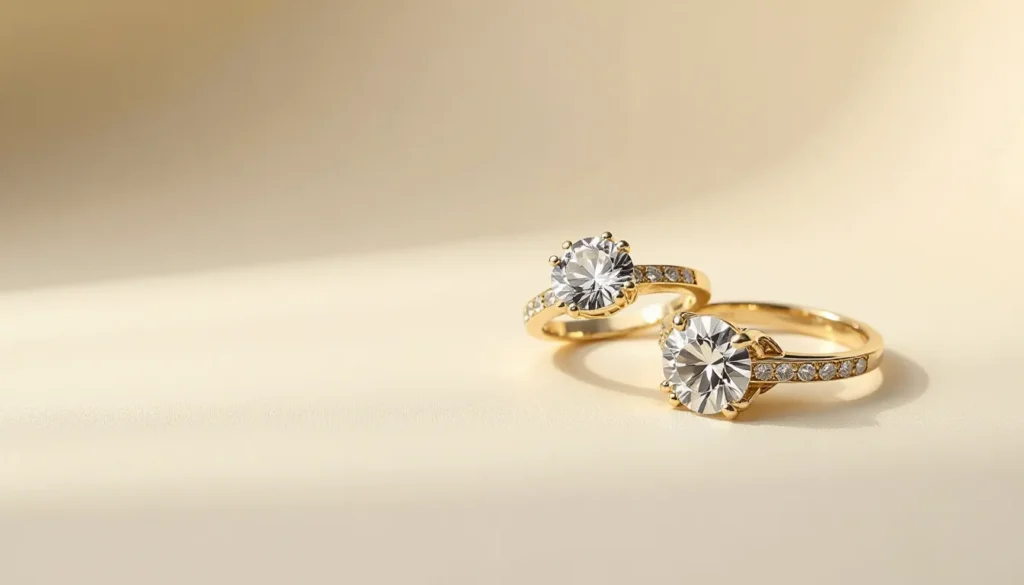
In the competitive world of e-commerce, digital marketing strategies are crucial for the success of jewelry stores. In this article, we will explore how to create campaigns that promote not only products but also luxury experiences. We will discuss the importance of branding and building a strong identity in the e-commerce universe.
The Impact of Digital Marketing on the Jewelry Trade
Digital marketing has revolutionized the way jewelry companies operate. Thanks to online platforms, jewelry brands have the opportunity to connect directly with consumers seeking luxury products. This new landscape allows for global reach, where exclusivity is no longer confined to physical boutiques but extends to a diverse and constantly connected audience. The effective use of SEO techniques and content marketing is essential to increase the visibility and attractiveness of available offers.
The concept of digital marketing encompasses a range of strategies designed to promote a product or service through digital channels. For jewelry e-commerce, this includes optimizing websites for search engines as well as developing relevant content that aligns with the aspirations and desires of consumers. Influencer marketing also stands out in this space, where brand ambassadors can help create an authentic and emotional connection with the target audience.
In recent years, trends such as personalizing the user experience and utilizing new technologies like augmented reality have gained prominence in the luxury trade. Consumers are seeking unique and interactive experiences when purchasing high-value items like jewelry. As a result, brands implementing digital marketing strategies that meet these expectations are not only capturing attention but also fostering customer loyalty.
Success stories demonstrate the positive impact of digital marketing. Brands that adopted a customer-centric approach and invested in targeted advertising achieved significant growth in online sales. These companies use engaging narratives in their campaigns, promoting not just products but an entire lifestyle associated with their jewelry. The use of social media to share stunning visuals, inspiring stories, and educational content proves effective in creating an emotional bond between the brand and consumers.
As the market evolves, it becomes clear that digital marketing is not merely an addition to a jewelry business’s operations but an integral part of the business strategy. Understanding this dynamic is crucial for any entrepreneur looking to thrive in the luxury e-commerce landscape. The next step is to focus on building a strong luxury brand, where branding plays a fundamental role in creating a memorable and impactful identity.
Building a Luxury Brand in the Digital Age
Branding is one of the fundamental pillars for the success of a jewelry e-commerce. Building a luxury brand goes beyond selling exclusive products; it involves telling a story that captivates the consumer. To achieve this, it is essential to develop a strong brand identity. The identity must reflect the company’s values, mission, and vision, creating an emotional connection with customers. The use of sophisticated logos, elegant typography, and a consistent narrative enhances digital presence, establishing the brand as a reference in the luxury sector.
The psychology of colors also plays a crucial role in jewelry branding. Colors can evoke emotions and influence consumer perception. For instance, gold and silver are often associated with elegance and sophistication, while blue can convey trust and tranquility. By choosing a color palette that resonates with your brand’s value proposition, you can not only attract the target audience but also create an instant identification with the experience the brand offers. The color of packaging, website design, and even the aesthetics of social media should be carefully considered to ensure a consistent message.
Visual communication is another vital aspect of creating a luxury brand. High-quality images of jewelry, presented in settings that emphasize their value and beauty, are essential to shine in a competitive market. Investing in professional photography that captures the details and exclusivity of each piece can make a difference in consumer perception. Moreover, how products are showcased on digital platforms must reflect the story the brand wants to tell. Intertwining all this visual communication with the brand experience narrative will enrich the customer relationship, increasing the chances of loyalty.
This building of a solid and emotionally connected brand to its consumers prepares the ground for the next step: the development of integrated and impactful marketing campaigns.
Attention-Grabbing Marketing Campaigns
Marketing campaigns that grab attention are fundamental for a diverse and competitive jewelry e-commerce. To stand out in this luxury segment, it is necessary to develop integrated campaigns that utilize different communication channels. The combination of social media, email marketing, and paid ads allows for greater reach and a deeper connection with the target audience.
A noteworthy example of successful campaigns in this niche is the use of Instagram, where jewelry brands have achieved significant growth. Campaigns featuring lifestyle influencers wearing jewelry at important events or in their daily lives provide an aspirational glimpse that attracts the attention of consumers. Coupled with this, the use of email marketing with personalized content, such as product recommendations based on previous purchases, makes the customer experience unique and valuable.
For these campaigns to be effective, target audience segmentation is imperative. Understanding who potential customers are and what their preferences are allows brands to develop messages and offers that resonate deeply. This can be achieved through analyzing demographic, behavioral, and purchase data. For instance, a jewelry brand may segment its audience into different profiles, such as brides, birthday gifts, and special occasions, creating specific campaigns for each group.
Measuring results is another crucial element that must not be overlooked. Utilizing analytics tools to monitor campaign performance allows for real-time adjustments. Metrics such as email open rates, ad clicks, and social media interactions are essential indicators to understand what works and what needs improvement. With this data, strategies can be optimized, maximizing return on investment.
As campaigns become more refined, the emotional connection and brand narrative also strengthen, creating a virtuous cycle of engagement and sales. This evolution leads to a critical next step in digital marketing: exploring social media, which stands out as a powerful platform to connect with the audience.
Utilizing Social Media to Increase Sales
Social media is one of the most effective channels for jewelry e-commerce, allowing brands to connect authentically with their target audience. To maximize the potential of these platforms, the right choice is crucial. Instagram and Pinterest stand out as ideal options, as they are inherently visual and attract customers seeking inspiration for luxury purchases. Facebook, in turn, is useful for ad segmentation, reaching different demographics. The chosen platform should align with the characteristics of the audience and the type of jewelry intended for sale.
The type of content ideal for these platforms should be thoughtfully considered. High-quality images are essential, highlighting the beauty and details of the jewelry. Moreover, short videos showcasing pieces in movement, such as a customer wearing a necklace or ring, provide a more immersive experience. Posts narrating the story behind the creation of a jewelry piece, its materials, and the artisanal process add extra value that luxury consumers appreciate. Additionally, interactive content such as polls on new designs or contests can increase engagement and stimulate active participation from followers.
Interactivity and engagement are key to nurturing a loyal audience. Responding to comments and messages promptly demonstrates care and attention to the customer, creating an emotional connection. Brands can also collaborate with jewelry niche influencers, promoting a broader and more authentic reach. Live sessions, where customers can ask questions in real-time and see featured jewelry, are an excellent way to capture attention and generate desire. Encouraging customers to share their experiences using a specific hashtag can create a community around the brand, increasing visibility and organic reach.
By following these guidelines, the presence on social media can become a fundamental pillar in the growth and success of jewelry e-commerce, preparing the ground for the next step: understanding the importance of SEO to further optimize conversion chances.
The Role of SEO in Jewelry E-commerce
SEO is a fundamental strategy to increase the visibility of your jewelry e-commerce website, being one of the pillars that support digital success. Optimization for search engines provides a competitive advantage, allowing your store to stand out in a saturated market. One of the first steps in this process is identifying relevant keywords that should be incorporated naturally into product descriptions, page titles, and blog content. Using tools like Google Keyword Planner can facilitate this research, helping to find terms that your target audience is searching for.
In addition to keywords, building backlinks is crucial for strengthening your site’s authority. Quality links pointing to your pages indicate to search engines that your content is trustworthy and relevant. Strategies like guest posts on fashion blogs or partnerships with influencers can help create these backlinks. However, it’s important to focus on reputable sites related to the jewelry niche to ensure the effect is positive.
Another aspect that should not be overlooked is the user experience on your site. An intuitive and responsive design, combined with fast-loading pages, can make all the difference in retaining visitors. Implementing technical SEO practices, such as image optimization and creating friendly URLs, also contributes to the user experience. A site that loads quickly and is easy to navigate not only increases conversion chances but also improves rankings in search results.
Considering the importance of SEO, it becomes an indispensable strategic element to be integrated into the digital marketing activities of your jewelry e-commerce, establishing the foundation for informed decisions that will be explored further in data analysis.
Data Analysis to Boost Performance
Analyzing data is one of the most crucial steps in understanding consumer behavior in a jewelry e-commerce. Through analytical tools, it is possible to gain valuable insights that assist in formulating more effective marketing strategies. Among the available options, platforms like Google Analytics, SEMrush, and Hotjar allow you to monitor visitor behavior, identify which products are most accepted, and how much time users spend on specific pages, providing a deep reading of the sales funnel.
When using these tools, it is essential to focus on relevant KPIs, such as conversion rate, average ticket size, average time on site, and traffic source. The conversion rate indicates the effectiveness of your campaigns in turning visitors into buyers, while the average ticket size reveals the amount spent per purchase, helping identify upselling and cross-selling opportunities. The average time on site can provide indications of user interest and engagement with content, while the traffic source helps understand which channels are bringing the most engaged audience.
Once data is collected and analyzed, it is vital to make strategic adjustments based on the insights obtained. For example, if a specific jewelry piece shows a high view rate but a low conversion rate, it may be necessary to reevaluate the pricing or improve product descriptions and images. Conversely, if an email marketing campaign generated a significant increase in visits and sales, it can be expanded and optimized to reach even more potential customers.
Intelligent use of data not only improves sales but also allows for more personalized communication with your customers. Understanding which products are most popular among different audience segments helps create targeted campaigns that speak directly to consumer preferences. As you delve deeper into the analyses, it will become easier to prepare for innovations and trends shaping the future of jewelry e-commerce. Adaptability is crucial in a constantly evolving market, and the next section will explore how new trends can be integrated into your digital marketing strategy.
Innovation and Future Trends in Jewelry E-commerce
To stand out in a constantly evolving market, jewelry e-commerce must embrace innovation and adapt to new trends that will shape its future. Among these, one of the most impactful aspects relates to new product design. As consumers become more demanding, jewelry needs to go beyond traditional aesthetics. The fusion of styles, personalization, and exclusivity are trends that are on the rise. E-commerce should explore designs that reflect the individuality of the customer, offering customizable options that allow consumers to express their personality through their pieces. In the luxury context, this is not limited to just a personal touch, but involves creating collections that tell stories, incorporate cultural influences, and align with contemporary artistic movements.
Another crucial factor in the future of jewelry e-commerce is sustainability. With the growing environmental awareness and increased demand for ethical products, brands committed to sustainable practices gain prominence. Transparency in the supply chain, the use of recycled materials, and the implementation of environmentally friendly production processes are differentiators that attract the contemporary consumer. As the industry approaches 2025, the expectation is that more brands will not only adopt these practices but also communicate them clearly in their marketing strategies. This not only strengthens the brand’s image but also creates an emotional bond with customers who care about the impact of their purchases.
Finally, the adoption of new technologies plays a vital role in shaping the future of jewelry e-commerce. Tools such as augmented reality (AR) and artificial intelligence (AI) are revolutionizing the online shopping experience. With AR, consumers can visualize how jewelry would look on them before making a purchase, eliminating uncertainty and increasing conversion rates. In addition, AI can personalize the user experience by recommending products based on individual preferences, purchase history, and observed behaviors. Not only does this offer a richer experience, but it also allows brands to connect more deeply with their target audience.
Adapting to these innovations is not just a matter of keeping up with trends, but of staying ahead of them. This requires dedication and creativity from jewelry industry entrepreneurs. As we explore these new possibilities, it is also vital to reflect on the importance of a solid branding that resonates with modern consumer values. In the next section, we will address how to build an authentic and impactful brand identity, essential for thriving in this dynamic landscape.
Conclusion
We conclude that the use of targeted and well-planned digital marketing strategies can transform jewelry e-commerce into an unmissable experience for customers. Invest in exclusive marketing and XTYL services to enhance your sales and strengthen your brand in the luxury segment.


