
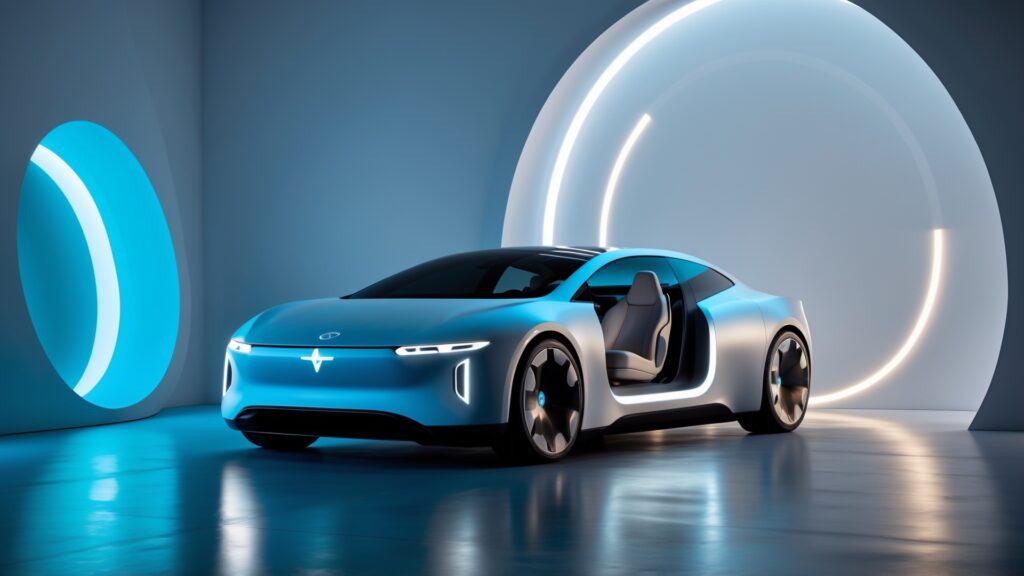
In this article, we will explore digital marketing strategies specifically focused on the automotive sector. With the growing adoption of digital practices, car companies have a unique opportunity to connect with consumers through creative and engaging campaigns, increasing engagement and boosting their sales.
The Impact of Digital Marketing in the Automotive Sector
Digital marketing has revolutionized the way the automotive sector communicates with its customers. The digital transformation in sales has allowed consumers to access valuable information about cars at any time and from anywhere. Manufacturers and dealerships can now offer a personalized experience, quickly addressing the doubts and needs of potential buyers. This not only optimizes the sales process but also strengthens the bond between the brand and the consumer.
The role of social media in engagement is another crucial aspect of this scenario. Platforms like Facebook, Instagram, and TikTok allow automotive companies to share visual content and interact directly with their target audience. Targeted advertising campaigns on these platforms have proven to be highly effective in increasing the visibility of new models and promotions. Additionally, social media serves as a space for customers to share their experiences, enhancing brand credibility and increasing purchase desire.
Case studies demonstrate effective practices that various companies have adopted in digital marketing. One example is the “Try It” campaign from a renowned manufacturer, which allows customers to test cars for short periods through an app. This approach not only encourages interaction but also shows how products can meet the specific needs of different consumers. Another case is investing in industry influencers to reach diverse audiences, creating a significant impact on purchasing decisions.
Consolidating a strong presence on digital platforms is essential to attracting new consumers. This new digital era requires companies to stay updated and willing to adjust their strategies, becoming essential for their success. As the sector evolves, understanding SEO techniques will be an important step to maximize the reach and effectiveness of digital campaigns.
SEO Techniques for Automotive Companies
SEO is one of the most powerful strategies to increase online visibility in the automotive sector. For companies looking to stand out in a competitive market, implementing SEO techniques can be the key to attracting more visitors to their website and consequently boosting sales. Search engine optimization practices involve various elements, starting with researching specific keywords for the sector. Choosing terms that potential buyers are searching for is essential; words like “new cars”, “automobile resale”, and “vehicle financing” can drive qualified traffic to the company’s pages.
In addition to keyword research, content and product page optimization is fundamental. By creating detailed and engaging descriptions of each car model, including technical specifications and benefits, the company not only improves its ranking in search results but also provides valuable information to consumers. This increases the likelihood of conversions, as the customer feels more confident in their purchasing decision. Incorporating elements such as videos and high-quality images can also enhance user experience, which is a factor that search engines consider when ranking pages.
Another important aspect is best practices for link building. Building a network of links pointing to the automotive website, whether through partnerships with niche blogs or participation in car discussion forums, can significantly increase the brand’s authority. Links from other reputable pages not only improve SEO but also attract a more engaged audience interested in the products offered. As automotive companies advance in their digital strategies, implementing SEO becomes increasingly crucial to drive visibility and engagement.
The transition to a focus on social media is a natural step, as these platforms allow for direct and meaningful interactions with consumers, establishing a vital communication channel for sales and engagement success.
Customer Engagement through Social Media
Social media has become a vital tool for building meaningful engagement with customers in the automotive sector. Through these platforms, brands have the opportunity to connect directly with their target audiences, promoting a closer and more interactive relationship. One of the essential strategies is the creation of attractive visual content. In the automobile market, where the aesthetics and performance of vehicles are highlighted, high-quality images and videos can quickly capture attention and convey the essence of the brand. Campaigns that use videos showcasing cars in action or images of impressive details can generate considerable interest, influencing purchasing decisions.
Furthermore, the importance of authentic interactions and quick responses cannot be underestimated. Today’s consumers seek not only products but also experiences and relationships with brands. Brands that stand out on social media are those that promptly respond to comments, questions, and criticism. This approach not only enhances brand perception but also fosters an environment where customers feel valued and heard, creating a positive engagement cycle. Studies show that companies that maintain active communication on social media can see a significant increase in customer loyalty and satisfaction.
Another fascinating aspect to boost engagement is conducting promotional campaigns and contests. Such initiatives encourage follower participation and increase brand visibility. A practical example would be a contest where participants share photos of their vehicles with a specific brand hashtag, allowing users to become brand ambassadors. This not only increases the number of followers but also generates user-generated content that can be leveraged for future campaigns, thus enhancing the authenticity of the brand’s communication.
A good relationship on social media facilitates the conversion of leads into sales. By establishing a direct communication channel, companies can nurture these leads with relevant information, such as news about launches or special offers. This transforms potential buyers into actual customers, as they feel more connected to the brand and more informed about their options.
Engagement metrics, such as comments, shares, and likes, should be regularly monitored to assess the effectiveness of the implemented strategies. With the use of analytical tools, brands can adjust their approaches based on user feedback, allowing for continuous evolution in social campaigns.
While investing in building this relationship through social media, it is also crucial to consider how to integrate these strategies within a broader context, including tactics for remarketing and campaign personalization. This will enable brands not only to increase interaction but also to convert this engagement into actual sales, optimizing their presence in the competitive automotive market.
Remarketing and Campaign Personalization
Remarketing is a fundamental strategy for automotive brands seeking to reconnect with users who have already shown interest. Through remarketing, it is possible to precisely segment target audiences, allowing the offers presented to be personalized according to the interests and behaviors of potential customers. This approach significantly increases the chances of conversion, as these individuals are already familiar with the brand and are more likely to explore their options again.
The use of analytical data plays a crucial role in optimizing remarketing campaigns. By analyzing user behavior, companies can discern which vehicles or types of services attract the most attention and adjust their campaigns to reflect this. For example, if a user visits several SUV pages, including specific ads for those models will reinforce the marketing message and meet real demand. The adoption of tools like Google Analytics and tracking pixels allows brands to monitor the performance of their campaigns and make necessary adjustments in real-time.
Several success stories illustrate the effectiveness of remarketing in the automotive sector. A compelling example is a manufacturer that implemented personalized dynamic ads based on user interactions with its website. After a campaign period, this company reported a 35% increase in conversion rates compared to traditional campaigns, revealing how remarketing can surpass more generic efforts. Data analysis and personalization, combined with successful case studies, demonstrate that implementing remarketing strategies accelerates conversion and can enhance customer loyalty in an increasingly competitive market.
Lastly, as brands advance in implementing these tactics, the next natural step is to explore how the customer experience can be further enhanced through content and interactions that address individual needs and preferences.
Conclusion
In conclusion, by adopting best practices in digital marketing, the automotive sector can not only increase customer engagement but also improve its sales campaigns. The integration of digital tools is essential for standing out in a competitive market.


