
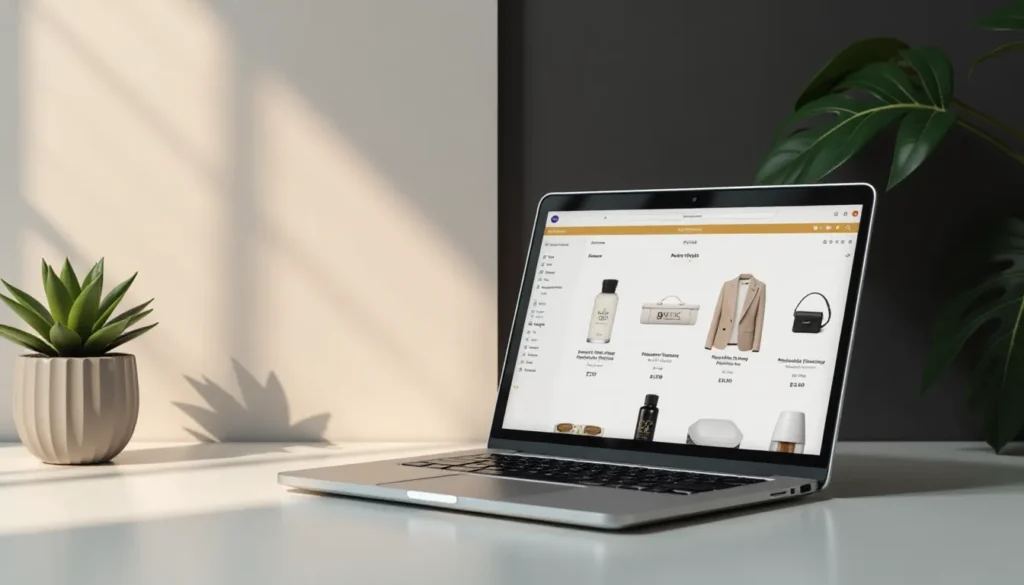
Paid traffic management is essential for the success of luxury e-commerce, as it allows for targeting the right audience and maximizing conversions. In this article, we will explore specific strategies to optimize ads and attract customers in such a competitive market. The focus will be on how to utilize paid traffic tools to highlight the exclusivity of luxury brands.
Understanding Luxury in E-commerce
Luxury e-commerce is characterized by products that not only have a high monetary value but also represent exclusivity and status. The shopping experience must reflect this uniqueness, from the curation of products to delivery. Audience segmentation is one of the main strategies in this context. Understanding who luxury consumers are goes beyond demographic data; it is crucial to delve into their aspirations, lifestyle, and behaviors. This segmentation allows for more targeted paid traffic campaigns, maximizing the effectiveness of ads.
The customer experience in a luxury e-commerce must be impeccable. This includes exceptional customer service and personalization throughout the buying cycle. Consumers of premium products seek not just to acquire the item but to experience a journey that makes them feel special. Therefore, when creating ads, it is essential that the messages resonate with this expectation, highlighting the qualities that differentiate the brand from the competition. Personalized segmentation becomes an ally in paid ads, ensuring that the target audience receives relevant information that aligns with their desires for exclusivity.
The marketing strategies for luxury e-commerce should be highlighted, as they involve careful planning that adds value to the brand. By focusing on a well-segmented audience, paid traffic management should contemplate the essence of the products, reinforcing the luxury narrative in each ad. This can be translated into high-quality visuals and messages that expose the brand’s heritage, as well as the prestige associated with consuming the products.
Additionally, when offering promotions or special launches, these actions should be communicated with a touch of exclusivity, something that attracts consumers not just to interact but also to convert. Thus, effective paid traffic management needs to align all these elements, creating a virtuous cycle where the understanding of luxury translates into significant results.
Understanding the nuances of luxury e-commerce is an essential step. In the next chapter, we will explore how paid traffic works, detailing the types of ads that are crucial for the success of this dynamic and the importance of continuous analysis in campaign optimization.
Paid Traffic: Fundamentals for Success
Paid traffic is one of the most powerful tools for luxury e-commerce, functioning as a visibility and conversion engine. When investing in this type of advertising, it is essential to understand how this dynamic works. The main characteristic of paid traffic is the purchase of advertising space, which allows brands to reach their target audience in a targeted and effective way. This occurs across various platforms, where ads are displayed based on algorithms that consider user interests, behaviors, and demographics.
Among the types of ads that should be prioritized are Google Ads, Facebook Ads, and Instagram Ads. Each of these platforms offers diverse formats that can be leveraged to promote luxury products and experiences. Google Ads, for instance, allows for the use of specific keywords, maximizing the chance of displaying products when a potential customer searches for offers that meet their aspirations. Instagram Ads stands out for its visual nature, ideal for brands that wish to tell appealing stories through high-quality images.
Another crucial aspect of paid traffic management is continuous analysis. Monitoring the performance of each campaign is not only vital for adjusting content but also for ensuring that the investment is being translated into effective results. Engagement metrics, CTR (click-through rate), and conversion rates are indicators that should be closely monitored, as they provide valuable insights into the behavior of luxury consumers. Through this analysis, real-time adjustments can be made, allowing ads to become increasingly refined and aligned with the expectations of the target audience.
Appropriate segmentation proves to be the key to directing the right audience, allowing the brand’s message to be received by those who genuinely have an interest. Understanding the needs and desires of this niche is fundamental, as consumers of premium brands seek not just products but experiences that make them feel special and valued.
As one advances in paid traffic management, it becomes evident that a deep understanding of the audience can provide exceptional return on investment (ROI). In the next chapter, we will explore practical segmentation tips for luxury ads, an essential step to maximize conversion chances and impact the audience effectively.
Efficient Segmentation for Luxury Brands
Segmenting the right audience is crucial for conversion, especially when it comes to luxury e-commerce. When creating paid traffic campaigns, understanding who your ideal customer is can make the difference between a fruitful investment and a waste of resources. For that, some segmentation approaches stand out.
One of the most important elements of segmentation is analyzing demographic data, which includes factors such as age, location, and income. This information helps identify where potential consumers are and what their characteristics are. Generally, luxury brands tend to attract an audience with higher income, making it essential to define a customer profile that fits this criterion. For example, campaigns targeting people with income above a certain level can be more effective, especially in geographic areas known for having a clientele with high purchasing power.
Another important aspect to consider is buying behavior. Studying consumers’ purchase history allows for shaping campaigns that resonate with their preferences and interests. Through big data analytics, it is possible to create a more detailed profile and thus personalize offers. Using browsing data, such as cookies and user interactions with products, helps better understand what potential customers are seeking, allowing for the creation of ads specifically aimed at their needs.
Segmentation tools available on advertising platforms, such as Facebook Ads and Google Ads, offer different options that can be leveraged. The platforms allow for segmentation not only by demographic data but also by interests, behaviors, and even life events. This makes it possible to reach consumers who are more likely to be interested in luxury products. Furthermore, retargeting, which consists of showing ads again to users who have already interacted with the brand, can be a powerful strategy to maximize engagement.
These segmentation techniques not only help optimize the use of advertising budgets but also elevate the chance of enchanting the customer, which is essential for brands that value the concept of exclusivity. With well-defined segmentation, the next step is to implement tactics that truly maximize conversions, further enhancing the performance of your paid traffic campaigns.
Maximizing Conversions with Strategic Ads
Maximizing conversions is the ultimate goal when managing ads for a luxury e-commerce. This translates into turning views into purchases, which requires well-thought-out strategies. One of the most effective tactics to achieve this outcome is A/B testing. This approach allows for comparing different versions of ads, varying elements such as image, text, and layout, to understand which combination resonates better with the target audience. In this way, it is possible to continuously optimize campaigns and ensure that each piece of advertising is aligned with the expectations and preferences of premium product consumers.
In addition, creating compelling calls to action (CTAs) is essential to drive conversions. The messages should evoke a sense of urgency and desire, reflecting the exclusivity of the brand. For example, phrases like “Discover the collection that redefines luxury” or “Secure your exclusive piece before it’s gone” can foster immediate action. It is crucial that each CTA not only communicates what the customer should do but also conveys a clear value, making the offer irresistible.
Another critical consideration is the presentation of the products. The aesthetics and context in which items are shown need to reflect their exclusivity. Here, leveraging platforms like XTYL can be a differentiator. This tool allows for creating visually captivating ads that capture the essence of the luxury brand and attract the attention of the most discerning consumers. Every detail in the display is not just an aesthetic matter but an integral part of the shopping experience that aligns with the principles of luxury e-commerce.
With these tactics in mind, the next step is to understand how to implement tools that further enhance the marketing strategy, ensuring a superior return on investment in advertising campaigns.
Conclusion
In summary, effective paid traffic management, focusing on segmentation and specific ads, is essential for the success of luxury e-commerce. Implementing these strategies can lead to a significant increase in conversions, ensuring that brands effectively reach their target audience. Explore how to support your brand with XTYL and boost your sales.


