
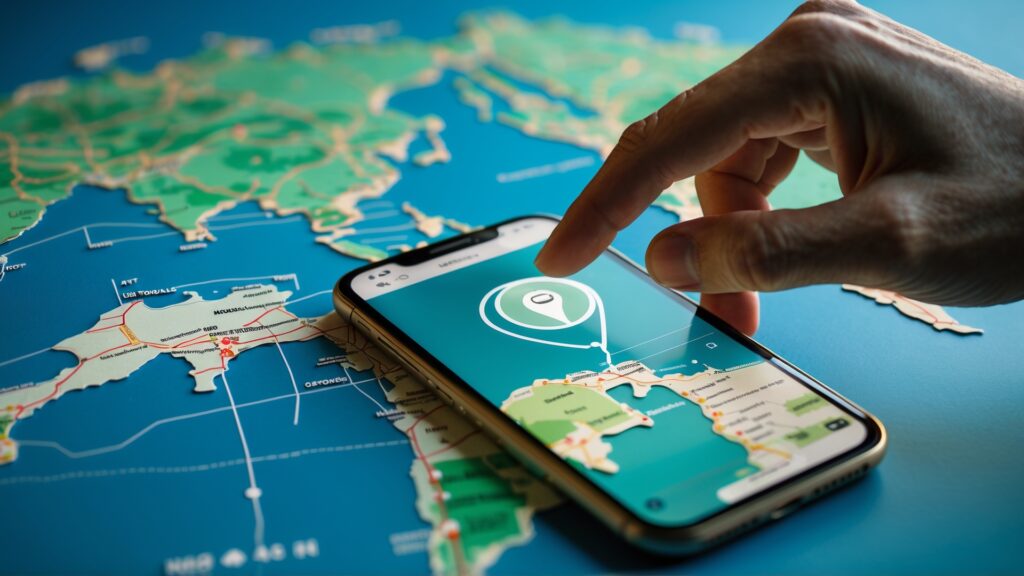
In today’s digital world, geolocated marketing strategies represent a powerful tool for customer segmentation. By utilizing geolocation, companies can create personalized offers and effective targeting campaigns, especially on mobile devices. This article will explore how these strategies can transform consumer engagement and increase conversion rates.
What is Geolocation and Its Role in Marketing
Geolocation is a powerful tool that not only allows identifying a user’s physical location but also evaluating consumption behaviors and preferences in real-time. By executing this technique, companies can gather demographic data that go beyond what can be obtained through traditional approaches. This means that for every interaction a customer makes, there’s a possibility to understand not only where they are but also what they might be looking for based on that specific location.
The advantages of geolocation are numerous. Firstly, demographic data collection is enhanced. By knowing where their customers are at the moment of purchase, companies can adjust their marketing strategies to meet those needs. This offers the possibility of targeted campaigns that are particularly effective. For instance, a restaurant can send promotional coupons via mobile apps when a potential customer is just a few meters from its entrance. This approach not only increases customer satisfaction but also the conversion rate since the promotion is perceived as relevant and immediate.
In terms of applications, geolocation allows companies to personalize their campaigns in a way that consumers feel that the offers are customized for them. By integrating location data into their strategies, it’s possible to develop promotions that consider local events, seasonality, and even specific times of the day. A practical example is using push notifications to alert customers about special offers during local events or festivals, thus creating a sense of urgency and relevance.
However, it’s important for companies to also consider user privacy when implementing geolocated marketing strategies. Transparency and consent are crucial for the offers to be well-received. By clarifying how location data will be used, companies not only protect themselves legally but also gain the trust of their customers.
This understanding of what geolocation is and its role in marketing is essential for companies to create effective strategies. However, it is equally important to know how to segment the market based on this information, a possibility that will also be explored next, bringing more nuances about how different layers of geographic segmentation can directly impact campaign results.
Geolocation-Based Market Segmentation
Geolocation-based market segmentation has become a powerful tool for companies that wish to enhance their strategies and connect more effectively with their consumers. Utilizing geographical data allows brands to reach specific target audiences with a level of precision that was previously difficult to achieve. This not only improves campaign efficiency but also enhances the conversion rate since the message can be directed to a more relevant audience.
Among the types of geographic segmentation, geodemographic combines geographic location with demographic data. This approach allows companies to better understand who their customers are in specific regions, considering factors such as age, income, education level, and lifestyle. For example, a fast-food chain might find that a certain neighborhood has a high concentration of young adults who work and study close to their locations, allowing the brand to create specific campaigns for this audience.
Another effective segmentation method is microssegmentation, which focuses on smaller geographical areas or specific communities. This practice enables brands to adjust their offers based on local preferences and needs. An example of this can be seen in clothing stores that launch exclusive collections for different neighborhoods, taking local tastes and trends into account. This personalization not only attracts consumers but also increases loyalty, as customers feel valued and understood.
The use of segmentation tools, such as geolocation platforms and data analysis, is fundamental for the successful implementation of these strategies. They enable the collection and analysis of detailed information, resulting in more targeted and effective marketing campaigns. With the advancement of technology, it is increasingly feasible for both small and large companies to use geographic data to enhance their approaches.
As companies advance in utilizing geolocation-based segmentation, integrating it with contextual marketing strategies becomes crucial. Personalized offers that consider the consumer’s location create more engaging and impactful shopping experiences.
Personalized Offers and Contextual Marketing
Personalized offers are fundamental for capturing consumer attention in today’s environment, where competition is fierce and information circulates quickly. Contextual marketing, which utilizes geolocation data, plays a crucial role in this aspect, allowing companies to send relevant promotions at the right time and to the right audience. This type of approach not only emphasizes the relevance of the offers but also contributes to a more engaging and satisfying shopping experience.
A clear example of how this can be effective is discounts offered in stores near the consumer. Imagine a customer strolling through a shopping mall when, suddenly, their smartphone receives a notification with an exclusive discount for a store they usually visit. This strategy not only grabs the customer’s attention but also induces immediate action, favoring the conversion of visitors into buyers. This translates into an increase in sales, as the store becomes an irresistible option in the customer’s mind, who not only receives an offer but also has the opportunity to seize it instantly.
The implementation of personalized offers is facilitated by the use of apps and push notifications. With advanced technology and data analysis, companies can identify when and where a customer is and, from that, establish direct and customizable contact. It is essential that the apps are well-designed, being intuitive and easy to navigate, so that consumers feel comfortable using them. This is because around 70% of consumers prefer to receive information about promotions in real-time, rather than waiting for it to come via email or other less direct communication channels.
Moreover, contextual marketing allows for ongoing dialogue between the consumer and the brand. Throughout the purchase process, the customer can receive product recommendations based on their past preferences and behaviors, creating a smooth and pleasant shopping experience. This not only favors customer relationships but also generates loyalty, as consumers tend to return to a brand that recognizes their needs and offers personalized solutions.
Additionally, it is essential for companies to invest in technology and infrastructure that support these geolocated marketing initiatives. Adopting advanced analytical tools and campaign management platforms are fundamental steps to ensure that personalized offers are successful. The ability to measure the impact of adopted strategies allows real-time adjustments and optimizations of shopping experiences, thus promoting a continuous learning cycle.
As consumers constantly seek relevant and convenient experiences, personalized offers and contextual marketing set a new standard in the industry, where every interaction can be an opportunity to captivate and convert. This evolution paves the way for addressing the next major trend: mobile marketing and the geolocation revolution, where innovation becomes the key to customer retention and sales growth.
Mobile Marketing and the Geolocation Revolution
With the increase in the use of mobile devices, geolocated marketing strategies have gained prominence. Smartphones have become an extension of our lives, providing the ability to connect with the world at any moment and anywhere. This has led marketers to adopt innovative methods to engage with consumers. Among these innovations, apps play a significant role. Applications that utilize geolocation have the capability to offer personalized promotions based on the user’s location, creating a dynamic and contextualized experience. This approach not only attracts new customers but also retains existing ones.
The advantages of mobile are vast. One of the main benefits is instant access to offers and promotions. When a potential customer is near a store, a geolocation app can send a notification with a special offer, increasing the likelihood of conversion. This tactic not only drives traffic to the store but also enhances the customer experience, making it more relevant and convenient. Another important aspect is consumer behavior, as research shows that mobile users are more willing to take advantage of immediate offers.
Moreover, geolocated marketing can be used to create innovative campaigns that seamlessly integrate into users’ daily lives. A practical example is the creation of local events and temporary promotions that require the physical presence of the customer. Apps can provide exclusive rewards for those who visit a store within a certain period, encouraging physical visits and generating a sense of urgency. This direct connection between geographical location and commercial offer is one of the pillars that supports geolocation-focused marketing strategies.
The utilization of these strategies is vital for companies that wish not only to stand out in the market but also to create a meaningful relationship with their audience. As the field of marketing continues to evolve, brands that adopt and adapt their approaches to real-time consumer behavior will hold an advantage. In this context, the next step is to understand how to apply geographical targeting techniques to effectively reach target audiences, maximizing the impact of local campaigns.
Effective Targeting: How to Reach Your Target Audience
Geographic targeting is a powerful strategy that allows companies to reach specific consumers by leveraging geolocation to maximize the relevance of their campaigns. With this approach, brands can direct their messages and offers to audiences located in a particular area, increasing the chance of conversion. The use of location-based ads, for example, allows companies to connect with potential customers who are nearby their stores or establishments, resulting in a significant increase in traffic.
Among the tools that facilitate this segmentation are Google Ads and Facebook Ads. Both platforms offer robust geographic targeting features, allowing companies to define specific regions where they want their ads to be displayed. In Google Ads, it’s possible to target ads for specific cities, states, or even neighborhoods. In Facebook Ads, advanced targeting allows defining audiences based on location and interests, which enhances the reach of campaigns and provides a higher ROI.
Furthermore, personalizing messages is crucial for the success of these strategies. Ads that take into account the local customer experience, such as promoting region-specific events or seasonal offers, tend to resonate better with the target audience. This not only increases the effectiveness of campaigns but also strengthens the relationship between the brand and consumers, promoting a sense of closeness and belonging.
Thus, effective targeting, through geolocated marketing strategies, proves essential to optimize results and create deeper connections with the customer. As we move forward, it will be interesting to observe how successful case studies in geolocated marketing exemplify the implementation of these techniques across different sectors.
Success Stories in Geolocated Marketing
Practical case studies illustrate how geolocation can transform results. The use of this technology allowed companies to implement innovative strategies that significantly impacted their sales and customer experience.
- Example 1: A national retail chain, with several physical stores, implemented a geolocated marketing campaign that leveraged real-time location data. They began sending personalized promotions to consumers who were nearby their stores. As a result, the chain registered a 30% increase in sales during the three months following the strategy’s implementation. The key to this success was effective audience segmentation, which allowed the offers to connect with consumers’ interests at the exact moment they were nearby.
- Example 2: A local restaurant group adopted a creative approach using geolocation to attract new customers during low-traffic hours. Through targeted ads on social media platforms and mapping apps, the group promoted special offers for those within 5 km of their locations. These campaigns generated significant traffic and resulted in a 50% increase in reservations during promotional hours. The combination of location, incentive, and timing proved effective, highlighting the importance of communication tailored to consumer behavior.
These cases clearly demonstrate that geolocation is not just a tool but a true competitive edge. By analyzing the results, it becomes evident that the success of the campaigns is not merely due to the use of advanced technology, but rather how brands apply it strategically. The ability to integrate location data with insights into customer behavior allows companies to create personalized experiences, enhancing customer loyalty and sales potential.
As the marketing world continues to evolve, companies must constantly seek ways to optimize and innovate their approaches. What we see in these examples is just the beginning. In the next section, we will explore best practices for implementing geolocation strategies, ensuring that you are prepared to reap the benefits of this powerful tool.
Conclusion
In summary, investing in geolocated marketing is essential for improving the segmentation and personalization of offers. Companies that adopt this approach see a significant increase in customer engagement and sales. Take the opportunity to explore solutions like XTYL and take your marketing to a new level.


