
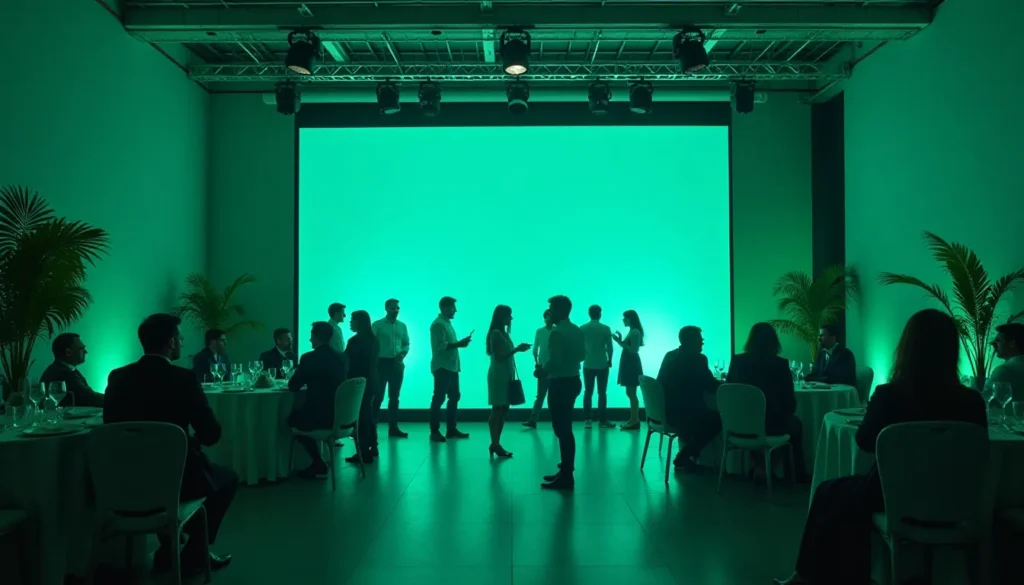
In this article, we will explore the main marketing strategies for corporate events, essential for promoting engagement and facilitating networking among participants. We will discuss the importance of effective promotion and intelligent sponsorship, which become fundamental to the success of events aimed at leaving a lasting impression and establishing valuable connections.
Understanding Event Marketing
Event marketing is a powerful strategy that leverages the unique ability to create immersive and memorable experiences. With the shift in the consumption of information, people are increasingly seeking meaningful interactions that transcend traditional promotional formats. In this sense, event marketing is not limited to promoting products or services; it aims to build stories and strengthen the brand’s presence in the market.
Within this context, authentic experiences are key. A well-planned event generates memories that translate into brand loyalty. Participants do not just attend a presentation; they experience something that can influence their future decisions. Moreover, these experiences facilitate spontaneous sharing on social media, organically amplifying the brand’s reach. By utilizing tools such as hashtags and interactive challenges, it is possible to encourage the audience to share their experiences, multiplying the brand’s visibility.
Another crucial aspect of event marketing is the increased brand visibility. When a company organizes an event, it not only puts itself in the spotlight but also has the opportunity to position itself as a reference in its industry. By featuring renowned speakers or industry experts, it associates itself with respectable figures, which can further enhance its image. Events such as trade shows, conferences, and product launches serve as visibility platforms where the audience can interact directly with the brand, asking questions and exchanging experiences.
The direct interaction with the target audience is also one of the great advantages that event marketing provides. During these gatherings, it is possible to collect instant feedback on products or services, allowing for quick adjustments that can significantly benefit the company. Furthermore, creating networking moments between participants and brand representatives can result in valuable business opportunities and strategic partnerships.
Given the importance of these interactions, it is vital that companies not only organize events but also carefully plan how each aspect can contribute to audience engagement. Therefore, the next step in developing a successful event is directly related to planning. Here, every detail counts, from defining goals to logistics, and these elements intertwine in a cycle that can potentially amplify all the issues discussed regarding event marketing.
Event Planning: The Key to Success
Good planning is crucial for the success of any corporate event. From defining objectives to choosing the location and date, every detail must be carefully considered to ensure a smooth and engaging experience for all participants. Planning is not just an initial phase but a continuous process that must be revisited throughout the event organization.
Defining a clear objective is essential. Objectives should be specific, measurable, achievable, relevant, and time-bound (SMART). For example, if the intent of the event is to increase brand awareness, it is important to establish how this will be measured. Will it be through a post-event satisfaction survey, the number of interactions on social media, or leads generated? This will guide all subsequent decisions, from the theme to the invited speakers.
The choice of the event date also plays a vital role in planning. Opting for an accessible date, considering holidays, competing events, and the availability of the target audience, can make all the difference in attendance rates. A poorly chosen date can result in low attendance and compromise all efforts. Therefore, it is recommended to use tools and audience analysis to find the best day for the event.
Furthermore, participant logistics must be considered with attention. From the accessibility of the venue to transportation options and accommodations, every aspect needs to be designed to facilitate the presence of guests. Events held in easily accessible locations, with public transportation options and parking, tend to have higher participation. Additionally, providing a stress-free experience, with clear signage and a well-trained support team, can ensure that participants have a positive experience from the moment they arrive.
Finally, incorporating feedback during planning is an excellent way to refine details. Holding regular meetings with the involved team and even with investors or stakeholders can reveal new perspectives and ideas that will make the event even more effective. Planning with attention and creative vision paves the way for success, allowing the next stages of the marketing process, such as promotion, to be even more effective in creating excitement and engagement.
Promotion: Creating Anticipation
Promotion is essential to attract participants to your event. Well-planned communication generates anticipation and engagement, increasing public interest. The effective use of various platforms, such as social media and email marketing, is essential for spreading relevant information and sparking the curiosity of the target audience. Information about speakers, scheduled activities, and discussed topics can be creatively extracted, providing a glimpse of what participants can expect.
Promotion Strategies:
- Targeted email campaigns are a powerful tool, as they allow for message customization according to the recipients’ profiles. This not only increases the open rate but also provides more efficient communication, generating a sense of exclusivity and relevance about the event.
- Partnerships with influencers can significantly expand the reach of the promotion. By leveraging influence networks, the event gains visibility in circles that would otherwise remain unexplored, enhancing attendance and participation.
- The use of hashtags for social media engagement also proves to be an effective strategy. They create a space for potential participants to share their excitement, fostering an exchange of information and experiences, which helps build a community around the event.
Incorporating attractive visual elements, such as short videos and infographics, can also enrich the promotion, making the content more engaging. A countdown to the event date, for example, generates anticipation and stimulates immediate action from potential participants. Each of these promotion tactics not only promotes the event but also boosts presence and activity at the actual event, establishing a conducive environment for networking and learning.
These well-implemented strategies create not only a more engaged audience but also pave the way for the next phase: the pursuit of sponsorships, which can further amplify your event’s impact by ensuring valuable resources and visibility.
Sponsorships: Amplifying Resources
Sponsorships are fundamental to the structuring of corporate events, as they enable the union of brands in search of recognition and resources. When considering the importance of sponsorship, it is necessary to understand that this partnership brings mutual benefits: brands invest to gain visibility while organizers receive the necessary financial support to turn their visions into reality. The choice of sponsors must be made carefully, ensuring that their values and mission are in tune with those of the event, creating a cohesive and authentic experience.
Benefits of Sponsorship: One of the primary gains from sponsorship is the funding for events, which is crucial for enabling the execution of planned activities. Additionally, alignment between sponsors and events increases the event’s credibility, as associations with well-established brands can positively influence public perception. Lastly, sponsorship exposes the brand to new audiences, expanding the reach of both sides of the partnership and providing valuable networking opportunities.
To maximize the impact of sponsorships, it is essential to develop proposals that clearly demonstrate the benefits that sponsors will gain by joining the event. This may include visibility spaces, such as banners, stands, and mentions in promotional materials, as well as opportunities for direct interaction with the target audience. Corporate events often have sponsors at different levels, such as main sponsors, co-sponsors, and supporters, allowing various budgets to be accommodated.
By 2025, the expectations of participants and sponsors regarding corporate events are likely to evolve, leading brands to seek deeper and more tangible engagement. This paves the way for innovations in sponsorship proposals, where interactive experiences and actions that promote genuine audience engagement become essential. With an anticipated growing appreciation for networking, facilitating real connections between participants will be a priority.
Considering the lasting impacts of sponsorship, it becomes evident that by choosing committed sponsors aligned with the event’s objectives, organizers not only ensure their financial success but also enhance the overall participant experience. This alignment between sponsors and the expectation of engagement are aspects that will serve as the foundation for the next topic.
Audience Engagement: Keeping Attention
Engaging the audience is essential for the event’s success. For this, the use of technology becomes a powerful ally. Specific apps can facilitate interaction and real-time feedback collection, helping organizers make instant adjustments and keep the event’s dynamic high. A system that allows real-time questions, for example, can boost audience participation and make discussions more relevant.
Engagement tactics are vital for increasing interaction and creating a memorable experience for participants. Interactive activities, such as workshops and games, not only break the ice but also encourage collaboration and teamwork. These practical experiences can promote greater involvement, making participants feel more connected to the event and to each other. Furthermore, these activities can be designed to reflect the event’s objectives, making discussions richer and more focused.
Real-time satisfaction surveys provide a valuable tool for measuring what is working and what can be improved. Through questionnaires sent via apps or digital platforms, organizers can gain a clear picture of the audience’s experience and adjust the schedule as needed. This not only demonstrates a commitment to continuous improvement but also makes participants feel that their opinions are valued, increasing the likelihood of returning for future events.
Creating dedicated networking spaces is another effective strategy. These areas should be designed to encourage spontaneous conversations and meaningful connections. Comfortable furniture, adequate lighting, and a welcoming environment can facilitate the exchange of ideas and the strengthening of relationships. Integrating activities that stimulate networking, such as roundtable discussions or panel sessions, can also make a significant difference, reinforcing the collaborative spirit of the event.
As participants connect and share experiences, the value of the event multiplies. This continuous interaction cycle creates a vibrant ecosystem that promotes not only learning but also business opportunities. As this network is built, organizers must bear in mind that networking is one of the main objectives of corporate events, thus creating continuity that leads to the effectiveness of the next chapter.
Networking: Building Valuable Relationships
Networking is one of the main objectives of corporate events, as it offers the opportunity to create and strengthen relationships that can translate into valuable partnerships and sustainable business opportunities. By providing an environment conducive to participant connections, the organization of the event can maximize its impact and ensure that everyone leaves with relevant contacts and enriching experiences.
To facilitate networking among participants, it is crucial to create an environment that stimulates interactions. An effective approach is to create designated areas for conversations. These spaces can be comfortable lounges or relaxation areas equipped with tables and chairs, where participants can feel at ease to start dialogues. Furthermore, the use of clear signage identifying these areas can guide participants and invite them to explore spaces for exchanging ideas and knowledge.
Another method to foster networking is to organize group activities that encourage collaboration and interaction among participants. Dynamics such as workshops, brainstorming sessions, or even playful activities can break the ice and facilitate relationship building. By working together on a project or challenge, participants not only learn more about each other but also find common interests that could lead to future partnerships.
Beyond the physical space and activities, providing contact lists is a strategy that should not be underestimated. These lists, which can be distributed in digital or printed format, help facilitate information exchange and the continuation of interactions after the event. Considering the inclusion of a QR code directing to a virtual networking group or an app where participants can connect and share information is a modern and efficient way to keep communication active.
As networking becomes a priority in corporate events, positioning the event as a catalyst for meaningful connections promotes an environment of mutual learning and growth. This not only enriches participants’ experiences but also ensures that the event fulfills its role of generating value in a competitive corporate landscape. This value, in turn, can be evaluated and measured, leading us to the next step: measuring results, an essential part of understanding the lasting impact of the event.
Measuring Results: Evaluating Success
Measuring results is fundamental to understanding the impact of the event. Evaluating the success of a corporate event goes beyond counting participants; it is a holistic process that seeks to quantify and qualify the experience lived by all involved. A proper approach allows companies to adjust their future strategies and maximize return on investment (ROI).
Collecting feedback is one of the most effective practices to measure results. During the event, it is advisable to implement methods such as quick surveys or interactive chats that encourage participation from attendees. After the event concludes, more detailed evaluations via emails or survey platforms help capture valuable insights about the participant’s experience. Questions addressing content quality, speaker relevance, and venue adequacy can provide crucial data for improving future events. Additionally, considering emotional aspects such as engagement and satisfaction also proves relevant for a more comprehensive analysis.
Another vital point is monitoring social media interactions. The event’s online presence can be a powerful thermometer for measuring success. Analysis tools that capture mentions, shares, and comments help understand how participants are perceiving the event. Analyzing the event’s hashtag, for example, allows for identifying relevant conversations and highlighting the most engaging content. The overall sentiment expressed on social media also serves as an indicator of public perception, enabling organizers to help shape the event’s image and adjust their digital marketing strategies for future events.
ROI analysis based on generated leads is one of the most anticipated parameters by companies that conduct corporate events. Measuring financial return should include not only direct revenue from registrations and sponsors but also the value of business opportunities created. This can involve conversions occurring weeks after the event. Therefore, it is essential to maintain tracking of produced interactions, such as proposals and resulting meetings, to understand the event’s actual impact on sales and business relationships. Methods that help trace the origin of leads and their conversion rates are indispensable in this process.
To maximize results measurement, companies must be proactive in integrating feedback into their subsequent strategies. Turning criticisms and suggestions into concrete actions can not only improve the experience at future events but also strengthen the relationship with participants, who will feel more valued and heard. Metrics should be reviewed and adapted constantly, allowing for continuous evolution in how corporate events are planned and executed. As results from events are analyzed, the next step is to discuss how this data can be effectively used to attract more participants and potential leads in subsequent events.
Conclusion
To ensure the success of corporate events, it is essential to adopt marketing strategies that maximize engagement and networking. With an approach focused on effective promotion and strategic sponsorship, companies can create memorable experiences that not only attract participants but also solidify important business relationships.


