
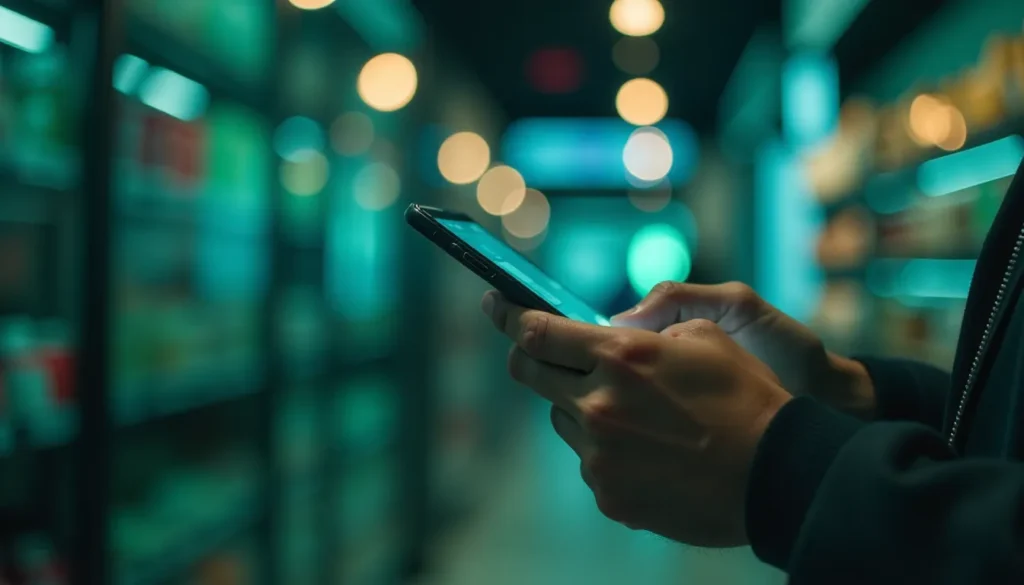
Proximity marketing is an innovative strategy that utilizes technology such as Bluetooth and beacons to engage consumers in a targeted manner. This article explores how geographic segmentation, localized offers, and push notifications can maximize engagement at the point of sale, creating unique and relevant experiences for customers.
The Importance of Proximity Marketing
Understanding Proximity Marketing
Proximity marketing is a concept that has emerged with the advancement of digital technology, especially with the increasing use of mobile devices. Originating in the early days of digital marketing, it has evolved from rudimentary geographic segmentation tactics to sophisticated approaches that use real-time data to reach consumers in a more personal and relevant way. This transformation has been accelerated by the popularization of smartphones, which have become indispensable tools in everyday life.
The impact of proximity marketing on consumer behavior is profound and multifaceted. As brands began to adopt this approach, consumers experienced an unprecedented level of personalization in their commercial interactions. By receiving offers and information based on their exact location, consumers feel more valued and, consequently, more likely to engage with the brand. This generates a more positive experience, where communication becomes more relevant and contextualized, directly influencing buying decisions and customer loyalty.
Technology plays a crucial role in personalizing experiences within proximity marketing. Modern tools such as data analytics and machine learning allow brands to understand consumer behavior better. These technologies enable precise audience segmentation and the sending of highly relevant messages at the right time. For example, a clothing store can utilize proximity marketing to send a discount coupon as soon as a customer enters the store, increasing the chances of conversion and providing a sense of exclusivity. This interaction not only drives the purchase but also builds an emotional bond between the brand and the consumer, creating an environment of trust and satisfaction.
The quest for more engaging and informed experiences points to a future where proximity marketing will increasingly be integrated into business strategies. The combination of technology, proximity, and a consumer-centric approach promises to transform how brands communicate and set a new standard for interaction in modern commerce. In this context, understanding how this technology works is crucial, especially when considering the role of beacons and Bluetooth in creating these dynamic and personalized experiences.
The Technology Behind Beacons
Bluetooth and Beacons
Beacons, innovative devices that utilize Bluetooth Low Energy (BLE) technology, have revolutionized how proximity marketing manifests in modern commerce. Functionally, beacons emit signals that can be captured by smartphones within a range, usually varying from 10 to 30 meters. When consumers have their Bluetooth activated and are near a beacon, they can receive personalized notifications, special offers, or even useful information about featured products. This interaction largely occurs invisibly, providing an enriching and less intrusive experience, allowing brands to connect with consumers more directly.
Compared to other location technologies, such as GPS or Wi-Fi, Bluetooth stands out for its precision and lower battery consumption. While GPS relies on satellite signals and can struggle in indoor environments, Bluetooth offers a more effective and reliable solution inside stores, where walls and other obstacles can interfere with signal reception. This ensures that communications are not only instantaneous but also relevant to the consumer’s immediate context.
Practical examples demonstrate how beacons can be used in stores to create memorable shopping experiences. A clothing chain, for instance, can send personalized coupons to customers within the store, encouraging impulse purchases. Others may use beacons to guide customers to specific sections, such as end-of-season promotions. These strategies not only increase sales but also allow for a meaningful connection between the brand and the consumer.
The next evolution of proximity marketing lies in geographic segmentation, enabling even more advanced personalization of shopping experiences.
Geographic Segmentation in Marketing
Geographic segmentation is a powerful strategy that allows companies to provide more tailored experiences by customizing offers and promotions for consumers based on their location. This technique can be crucial in proximity marketing, especially when combined with beacon and Bluetooth technology. The first effective step in this segmentation is mapping consumer presence, using geolocation data to understand where potential customers are and what movement patterns they follow.
Once consumer presence is traced, companies can apply various techniques to implement effective geographic segmentation. Using geofencing, for example, allows the creation of virtual fences around specific areas, notifying customers about special offers when they enter these regions. Another method is traffic data analysis, enabling stores to adjust their marketing strategy based on the volume of customers in their area at various times.
Case studies demonstrate the success of this approach. For instance, a fashion retail chain observed a significant increase in sales after implementing location-based marketing campaigns, reaching nearby consumers with personalized promotions. Another example is a coffee shop that, by using beacons, recorded an increase in customer frequency among those receiving discount offers as they approached the establishment.
With a deep understanding of geographic segmentation, companies can advance to creating localized offers, ensuring each promotion resonates with the customer, thereby increasing sales effectiveness.
Localized Offers and Their Effectiveness
Localized offers are a powerful strategy within proximity marketing, providing consumers with the feeling that brands truly care about their needs and preferences. Personalization of offers is central to this process, allowing retailers to connect more effectively with their consumers. Creating personalized offers begins with a deep understanding of the customer profile. This includes not only basic demographic data but also information about purchasing behavior, past interactions, and individual preferences. Therefore, developing personalized offers requires an intentional effort to integrate this information into a cohesive strategy.
Integration with consumer behavior data is essential to maximize the effectiveness of localized offers. By utilizing technology such as Bluetooth and beacons, brands can collect real-time information about how consumers interact with the shopping environment. These technologies help map browsing history and previous purchases, allowing for quick and relevant adjustments to offers. For instance, if a customer frequently buys healthy products, a store might send a notification about a promotion on fresh fruits and vegetables while they are within the beacon’s reach, increasing the likelihood of conversion.
The direct benefits of localized offers are noteworthy, not only in terms of increased sales but also in strengthening brand loyalty. When consumers receive offers that reflect their specific interests, it generates a sense of belonging and satisfaction. As a result, they feel more encouraged to return and engage with the brand. Additionally, these offers can help optimize inventory management by sending promotions for overstock items, which not only boosts sales but also reduces waste.
As companies adopt this approach, analyzing results becomes crucial. Monitoring the impact of localized offers on conversion rates and consumer engagement allows for continuous improvement of implemented strategies. In the context of marketing evolution, these practices become even more relevant, paving the way for more dynamic and interactive communication with consumers. With this in mind, the next step is to explore how push notifications can enhance this engagement, creating an even stronger bond between the brand and the consumer.
The Power of Push Notifications
Push notifications are vital tools in proximity marketing, enabling brands to connect with their consumers in a direct and immediate manner. One of the most important aspects of creating these messages is their impactful structure. It is essential that the communication is clear, concise, and engaging. Messages that utilize attractive visual elements as well as direct calls to action tend to generate greater interest. Additionally, using appropriate emojis can add a touch of personalization and engagement, making the message warmer and more accessible.
Another crucial point is the timing and frequency of notifications. It is essential to strike a balance between keeping consumers informed and not bothering them. Messages should be sent at strategic moments, such as when the customer approaches the store or during special promotions. On the other hand, excessive notifications may result in disinterest or even opt-outs, where consumers choose not to receive communications anymore. Therefore, conducting A/B tests can be an effective strategy to understand the best timings and intervals for engagement.
However, for success in this format, it is also necessary to be mindful of common mistakes that can undermine the effectiveness of push notifications. One frequent error is sending generic messages that do not consider the consumer’s profile or location. Additionally, ignoring personalization and failing to segment the audience can result in low response rates. Another pitfall is not respecting users’ communication preferences; this includes understanding what types of notifications they actually wish to receive. To avoid these pitfalls, it is vital to establish a data-driven strategy and continuous feedback from consumers.
As we explore the diverse facets of proximity marketing, it is important to remember that the consumer journey does not end with push notifications. The next step is to ensure that the experience continues to be optimized.
Engagement at the Point of Sale
Engagement at the point of sale leads to conversions and loyalty. When it comes to proximity marketing, the use of Bluetooth technology and beacons emerges as one of the most effective strategies to transform the consumer experience. To maximize engagement, it is essential to adopt an approach that integrates both the physical and digital environments, creating a cohesive and attractive experience.
One of the key strategies is the personalization of offers. When a user approaches a specific point, receiving a personalized notification can be the difference between conversion and lost sales. Offers that consider the customer’s purchase history or previous interests are more likely to capture the customer’s attention, making this interaction more relevant. Furthermore, there exists an important relationship between identifying the person and the ambiance of the location. Beacons can assist not only in targeted communications but also in mapping customer flows, helping merchants understand which areas generate more interest and engagement.
The importance of the physical and digital environment cannot be underestimated. Harmonizing both worlds elevates brand presentation and provides a smoother journey for the consumer. Including digital elements within a physical store—such as interactive screens, augmented reality experiences, or real-time information about available products—can attract attention and keep the customer engaged for longer. This interaction requires a strategic setup that considers the store layout and product placement, ensuring that the physical space complements the digital experience.
To optimize interactions and avoid overwhelming the consumer, calls to action should be discreet yet compelling. Phrases that encourage action, combined with enticing offers, can promptly direct consumers towards buying decisions. For example, upon receiving a notification about a special discount on an item of interest nearby, the customer feels compelled to engage. The introduction of innovative brands, such as XTYL, which combine technology and consumer trends, serves as a clear example of how companies can stand out in this landscape.
As we move forward, it is crucial to understand how digital experiences, when well-integrated, can support and amplify engagement initiatives.
Conclusion
In summary, proximity marketing, supported by technologies like Bluetooth and beacons, offers unprecedented opportunities to engage consumers locally. The effective use of push notifications and personalized offers strengthens the connection between brands and their customers, enhancing results at the point of sale.


